
Key 2026 Market Insights: Coordination, Clarity & Growth Signals
Why the macro market is shifting toward integrated care and what it means for investors and providers. 1. V28 &

Why the macro market is shifting toward integrated care and what it means for investors and providers. 1. V28 &

The shift to Value-Based Care (VBC) promised better patient outcomes and sustainable practice finances. But for many non-integrated clinics, it

Ursamin transformed chaos into a structured, revenue-positive system for a suburban family medicine practice. Read the case study to learn more.

Medicare Advantage is undergoing a fundamental shift as the industry works to move towards improved quality care. With new regulations
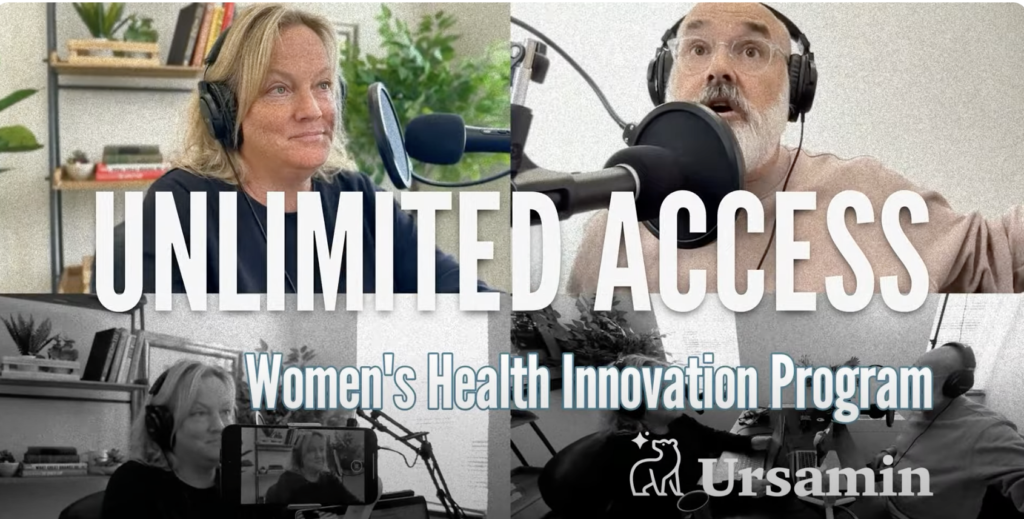
https://youtu.be/6JV8bTPFKQE Shannon’s journey is a testament to the power of community and mentorship in overcoming the hurdles women founders face.

In the latest episode of Unlimited Access broadcasting from Nashville, Shannon shares her firsthand experiences at the kickoff of Project
Why the macro market is shifting toward integrated care and what it means for investors and providers. 1. V28 &
Medicare Advantage is undergoing a fundamental shift as the industry works to move towards improved quality care. With new regulations
Ursamin’s visionary founder and CEO, Shannon Aylesworth was featured on an episode of the Healthcare Shares Podcast. In a candid conversation, Shannon shared her personal journey that led to the creation of Ursamin, a care coordination platform (CCP™), that is turning more heads among those trying to navigate chronic disease management.

In a recent episode on Makers Bar, Shannon Aylesworth, Founder and CEO of Ursamin, discusses her experience and her “why” for creating the Ursamin care coordination platform (CCP™) for patients with multiple complex diseases.

Dr. Pierre, a family physician, discusses the mounting challenges facing physicians today, including bureaucracy, EHR complexities, productivity demands, and lack of support. He highlights how Ursamin offers a solution by empowering physicians, improving care coordination, and enhancing efficiency.

Care coordination vs. case management: Explore their distinct scopes and how they impact patient care.
The shift to Value-Based Care (VBC) promised better patient outcomes and sustainable practice finances. But for many non-integrated clinics, it
Ursamin transformed chaos into a structured, revenue-positive system for a suburban family medicine practice. Read the case study to learn more.